MILLENNIUM OCEANS PRIZE
INTRODUCING THE MILLENNIUM OCEANS PRIZE
Presented by MCN and the Remmer Family Foundation

The Millennium Oceans Prize is returning for its tenth year to support and celebrate students who are passionate about conserving, protecting, and sustainably using oceans, seas, and marine water and life.
The Millennium Oceans Prize targets Sustainable Development Goal 14 by celebrating youth activists who are focused on enriching their communities through advancing marine and freshwater conservation and sustainable use of marine resources. Prize winners will receive mentorship and a $5,000 prize for implementation of a concrete campaign idea to spark change and garner support in advocacy, policy, and leadership for oceans and freshwater systems.
11th annual Millennium Oceans Prize Winner
GreenCopper Dynamics
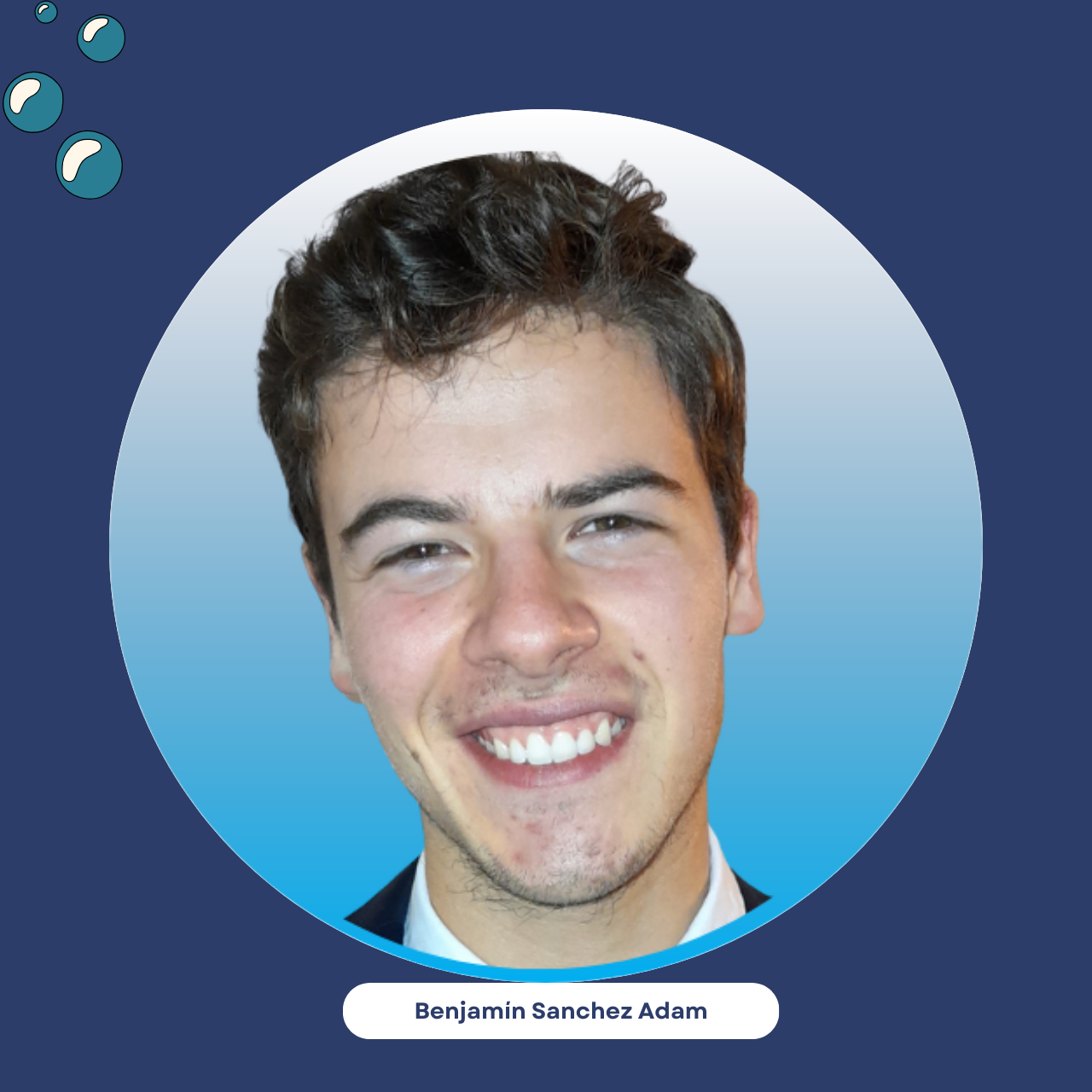
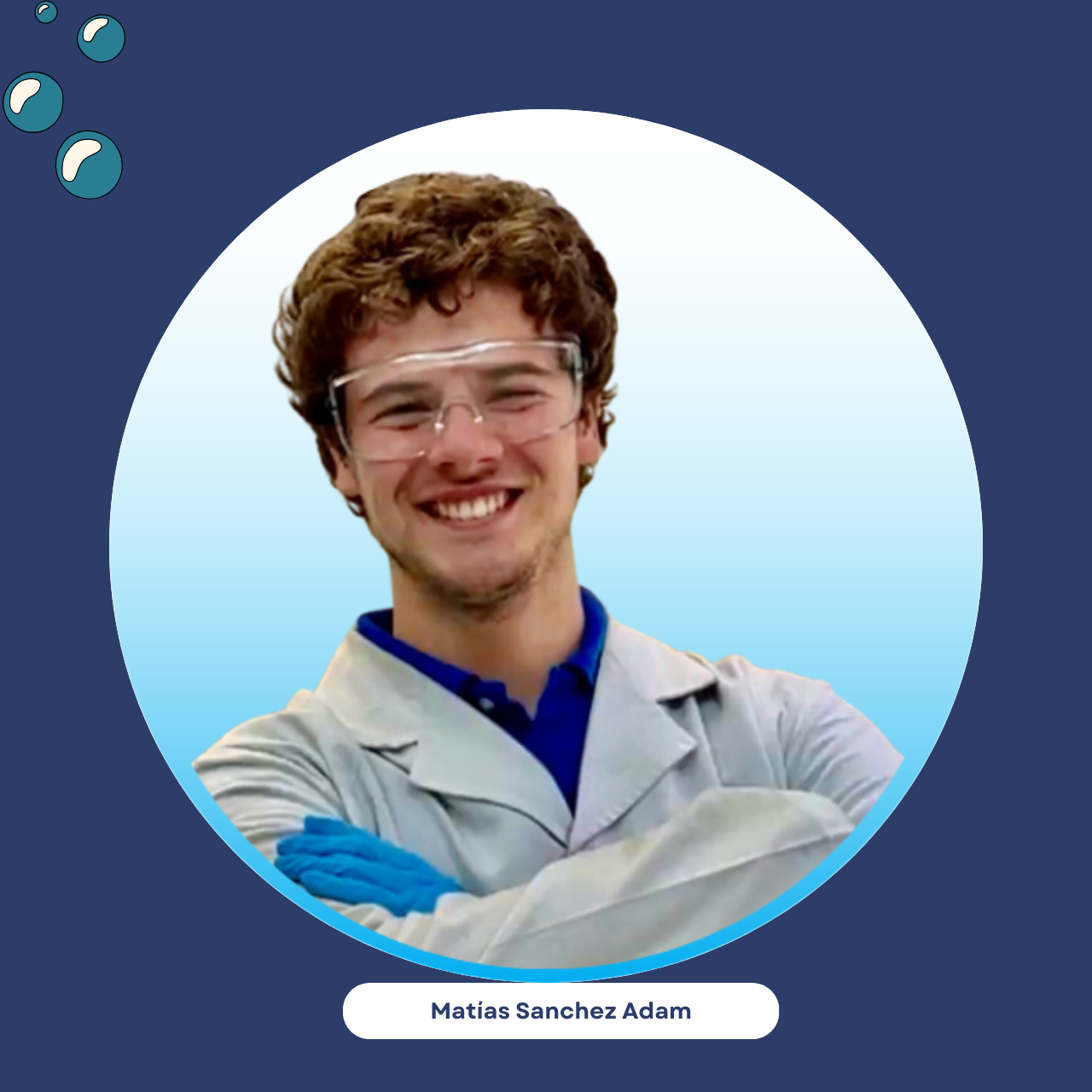
Campaign Leaders: Benjamín Sanchez Adam and Matías Sanchez Adam | Universidad Técnica Federico Santa María, Chile
GreenCopper Dynamics is a youth-led environmental initiative in Chile that uses NASA satellite data, low-cost environmental sensors, and machine learning to detect toxic mine drainage before it reaches rivers and the ocean. Led by two Chilean brothers passionate about conservation, the project focuses on vulnerable watersheds serving poor and Indigenous communities, combining scientific monitoring with grassroots education to protect water sources and marine ecosystems.
As mining activity intensifies in Chile’s most marginalized territories, communities face severe environmental risks without access to monitoring data or decision-making power. Toxic runoff threatens rivers, aquifers, and coastal ecosystems, allowing environmental injustice to persist unchecked. GreenCopper Dynamics addresses this gap by developing early-warning systems that detect chemical changes before leaks occur, while training local youth in environmental literacy and equipping them to lead bilingual, community-based workshops. By co-designing solutions with community leaders and leveraging accessible technology, the project works to ensure vulnerable territories are no longer left unprotected.
At the heart of the initiative are two brothers, Benjamín and Matías, whose shared commitment to environmental justice and scientific rigor drives the project forward.
11th annual millennium oceans prize Runners Up
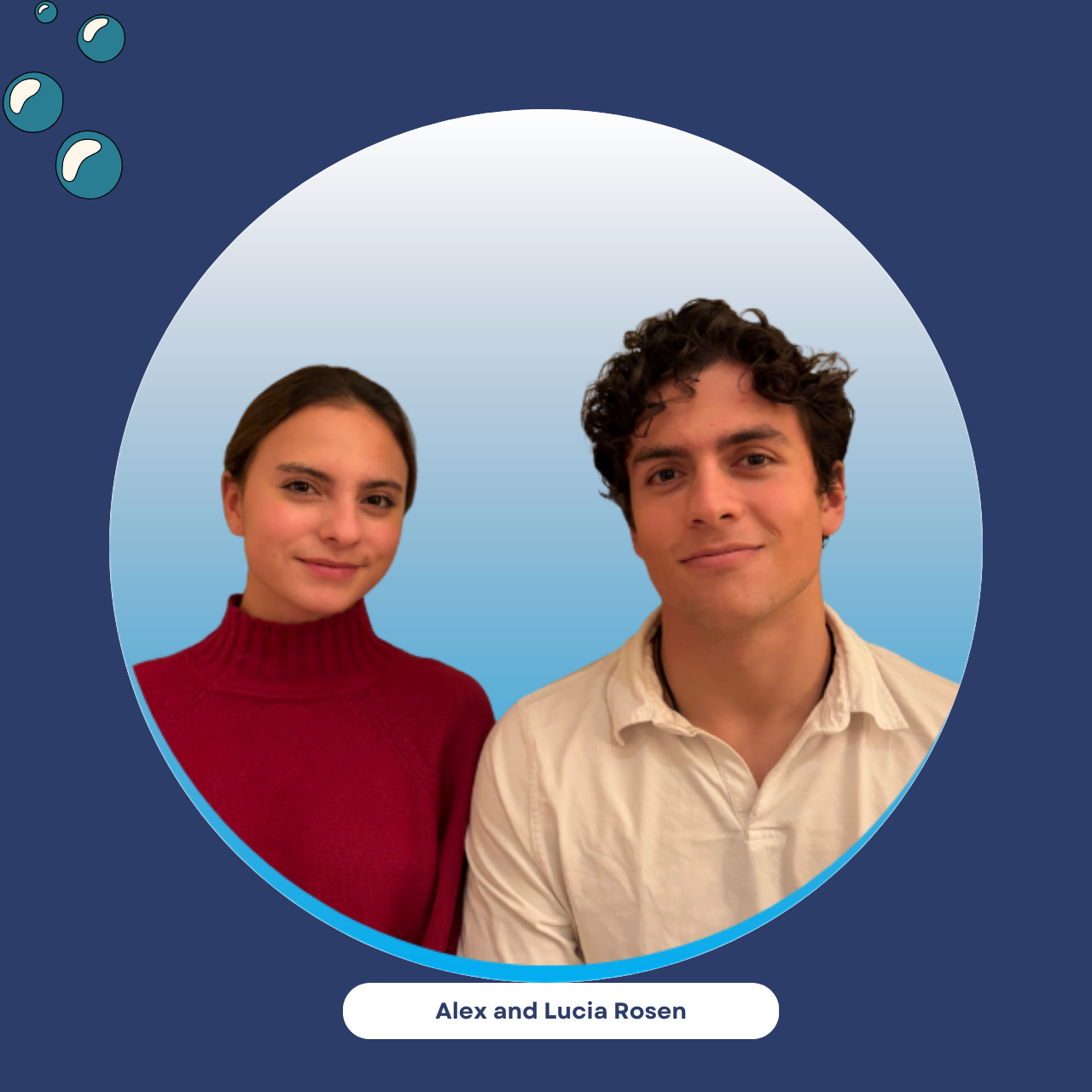
Floating Islands of Hope
Campaign Leaders: Alex and Lucia Rosen | Columbia University
We’re a brother-sister team from Valle de Bravo, Mexico, where the lake supplies water to Mexico City and sustains the livelihoods of the local community. Valle de Bravo is a vital drinking water source for Mexico City and a regional tourism hub, but water mismanagement and infrastructure failure have caused water levels to plummet, concentrating pollutants to toxic levels.
With increasing droughts, reduced water volume has intensified the concentration of pollutants.
Our project introduces floating wetland islands that remove contaminants through phytoremediation – a natural process in which aquatic plants absorb and break down pollutants. We’re excited to bring science-driven, regenerative design to address this growing contamination challenge and empower our community to restore the lake’s health and vibrancy.
The Millennium Oceans Discourse: Protection of Marine Biodiversity through International Law in the 21st Century
Follow African Transformers on Facebook to learn more.
2019 Winner Announcement Video
2018 Winner Announcement Surprise Call for the Millennium Oceans Prize

"The world’s oceans – their temperature, chemistry, currents and life – drive global systems that make the Earth habitable for humankind. Our rainwater, drinking water, weather, climate, coastlines, much of our food, and even the oxygen in the air we breathe, are all ultimately provided and regulated by the sea. Throughout history, oceans and seas have been vital conduits for trade and transportation.
Careful management of this essential global resource is a key feature of a sustainable future. However, at the current time, there is a continuous deterioration of coastal waters owing to pollution and ocean acidification is having an adversarial effect on the functioning of ecosystems and biodiversity. This is also negatively impacting small scale fisheries.
Marine protected areas need to be effectively managed and well-resourced and regulations need to be put in place to reduce overfishing, marine pollution and ocean acidification"


Image source: https://textilesforsdgs.org